The house that cost 40 percent less than the budget.
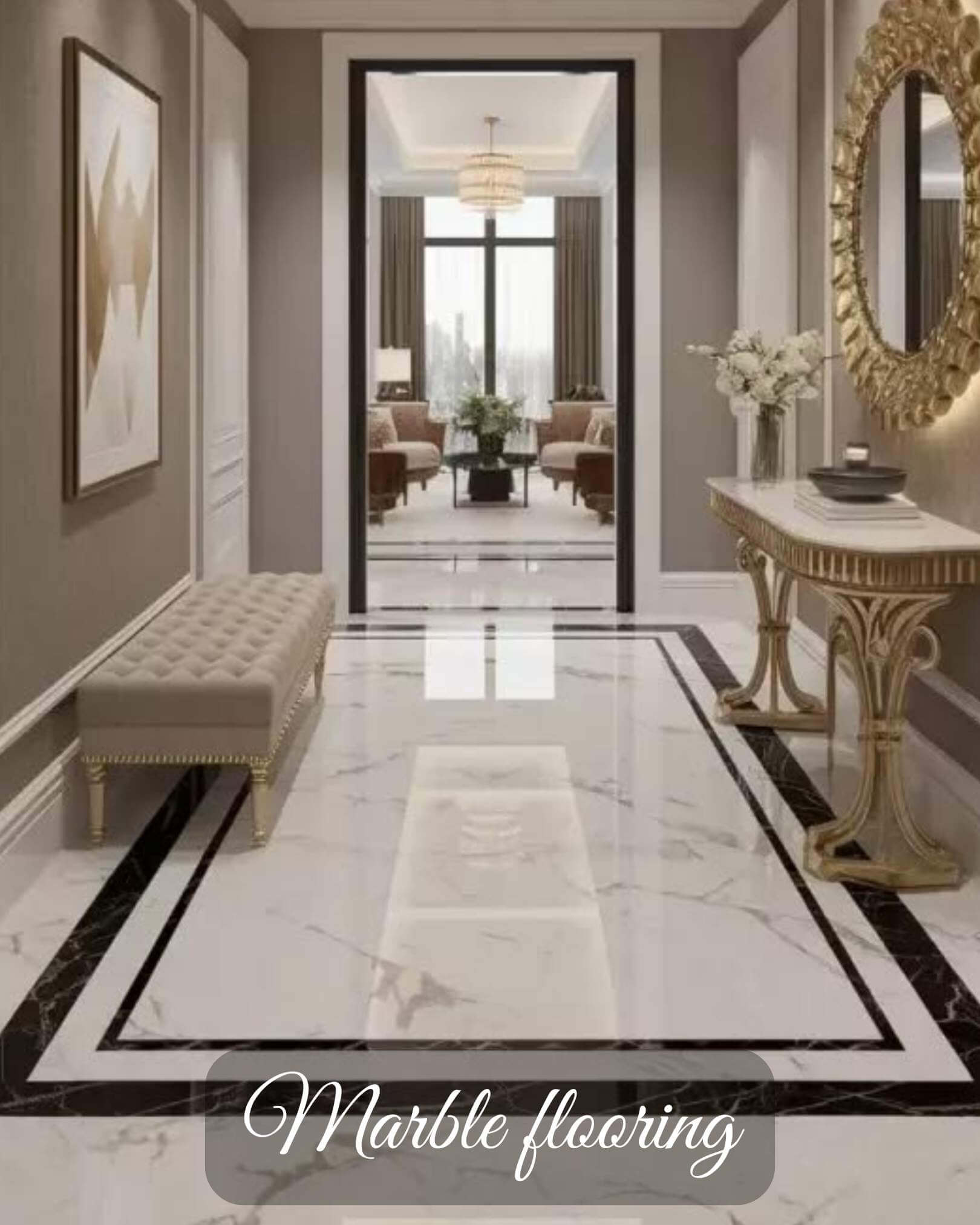
Our most beautiful project came in at 60 percent of the original budget. It also took twice as long.
In 2024, a client came to us with a brief and a budget. The brief was a 5 BHK independent villa in Jubilee Hills. The budget was ₹1.4 crore for interiors, excluding civil work. This was a reasonable premium budget for the project — we would have been comfortable executing it.
The house was completed in April 2026 at an interior cost of ₹85 lakh. Approximately 40% under the original budget. It is the most photographed home in our portfolio.
Here is what happened.
The two decisions that made it possible
Decision one: they gave us permission to design over time.
Most interior projects have a hard timeline. The client wants to move in by a certain date. The design must be complete, the materials specified, the contractors booked, and the site closed within that window. This time pressure is what drives up cost — every decision must be made under scarcity, every material must be sourced within a narrow window, every alternative must be excluded because there is no time to evaluate it.
Our client for this house had already lived in Jubilee Hills for eleven years, in a home they were comfortable in. There was no move-in deadline. There was no lease expiring. They asked us: _if we gave you two years instead of one, could we do this better?_
We said yes. Not cheaper — we did not know then that it would be cheaper. Just better.
Decision two: they trusted us to source over time.
With the extended timeline, we did not have to specify all materials at project start. We could wait for the right piece. We could visit quarries, workshops, and estate sales without pressure. When the perfect marble slab appeared at a Kishangarh yard three months later, we bought it. When a set of vintage teak doors came up at a Chennai auction, we drove down. When a specific fabric was on end-of-line sale from an Ahmedabad mill, we bought the entire run.
The house was built out of pieces that entered it over eighteen months. Each piece was better than what we would have specified under time pressure. Almost every piece was cheaper.
Where the savings came from
Line by line, roughly:
Marble — Sourced direct from Kishangarh yards over multiple visits. ₹18L saved vs. dealer specification.
Wood — Reclaimed Burmese teak from a demolished bungalow in Bangalore, transported at cost. ₹9L saved.
Lighting — Bought at trade shows in Chennai and Bengaluru over 14 months. ₹4L saved.
Fabric — End-of-line premium fabrics from Ahmedabad and Coimbatore mills. ₹3L saved.
Furniture — Commissioned from a single carpenter in Karnataka over 10 months, at his standard rate rather than a rushed premium. ₹8L saved.
Hardware — Sourced from a Grohe surplus dealer in Mumbai. ₹3L saved.
Bathroom fittings — Purchased during a Jaquar dealer clearance. ₹4L saved.
Roughly ₹49L in total savings, from patience alone. The remaining ₹6L came from execution efficiency — the site was open for 20 months, but our labour costs were spread across a longer period at lower peak intensity.
Where it did not come from
Not from cheaper materials. Every material in the home is premium spec. The marble is Makrana. The wood is teak. The bathrooms are Grohe/Jaquar Premium. The fabric is Zephyr and Prakritik.
Not from cheaper labour. The carpenter is highly skilled and paid at his going rate. The tile-setter is a specialist we have worked with for six years.
Not from cutting corners. The waterproofing is premium. The concealed plumbing is Grohe. The wiring is Havells with anti-rodent cladding. Nothing was compromised.
The savings came entirely from _time_. Time to source. Time to wait. Time to walk away from a deal that was not quite right and find a better one three weeks later.
Time is the single largest lever a premium home has. Most clients cannot pull it. For the ones who can, it changes everything.
What this taught us
Most premium homes are more expensive than they need to be because they are built on a normal timeline. The timeline is what creates the scarcity. The scarcity is what creates the premium.
If you have the ability to extend your build timeline — because you already have a home to live in, because your circumstances allow it — you can build a substantially better home at substantially lower cost.
Most clients cannot do this. Most of our clients cannot do this.
But for the ones who can, we now recommend it. Actively.
The client's take
We asked the client, after handover, whether they would do it the same way if they had to choose again. They said yes, without hesitation. Then they said: _we would extend it to two and a half years next time._
We nodded. They were right.